

NSW's Psychosocial Safety Changes: What Creative Organisations Need to Know
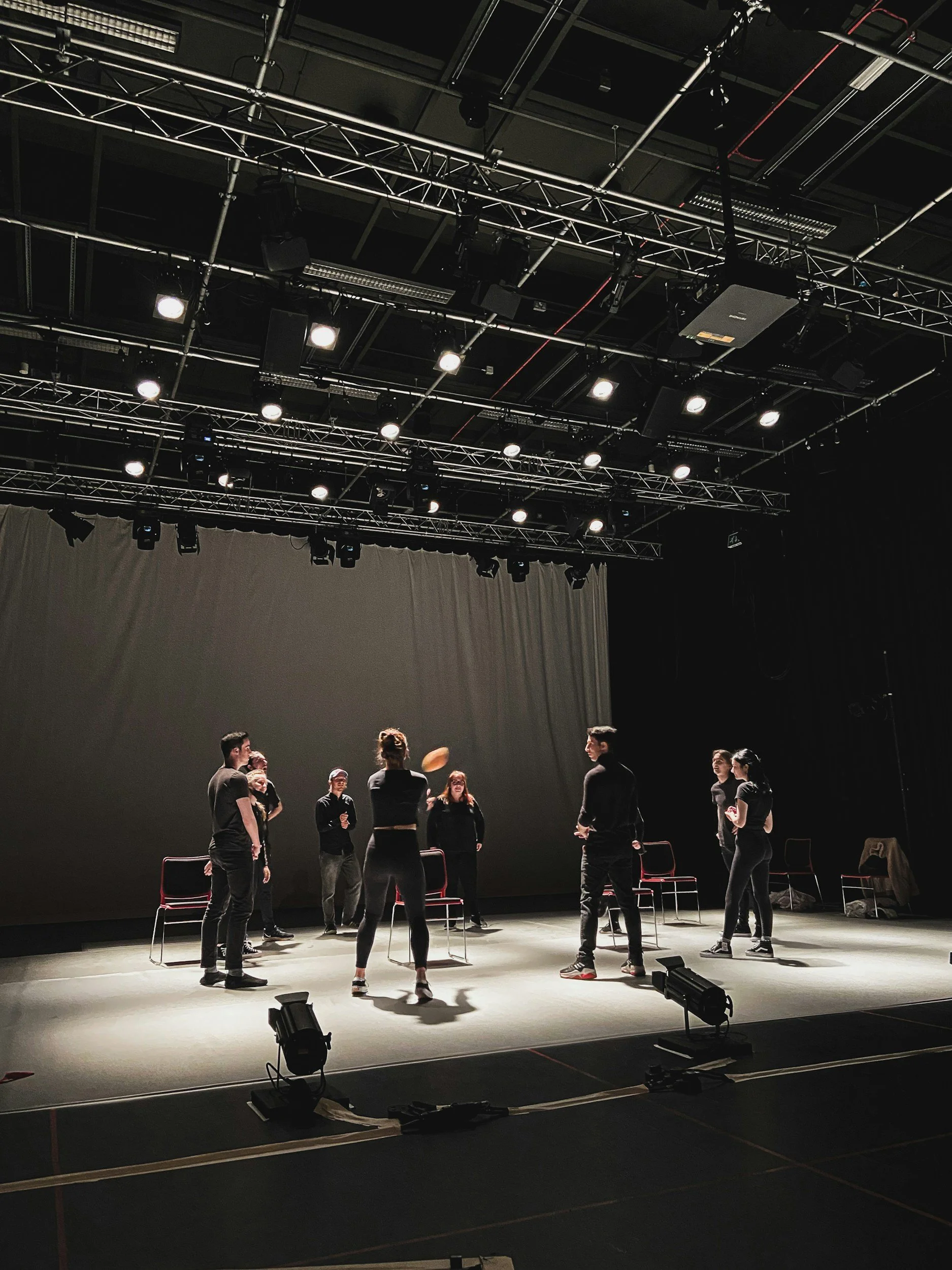
The creative industries have always faced unique workplace pressures.
Long and irregular hours. Freelance and project-based work. Tight deadlines. Emotionally demanding productions. Touring. Small teams wearing multiple hats. Passion-driven cultures where people often push themselves beyond healthy limits.
These pressures aren't new—but expectations around how organisations manage them are changing.
From 1 July 2026, changes to the Work Health and Safety Act 2011 (NSW) mean approved Codes of Practice have become enforceable benchmarks for workplace safety. For organisations operating in New South Wales, this includes the Code of Practice: Managing Psychosocial Hazards at Work. (Lockton)
For arts organisations, production companies, festivals, galleries, museums, music businesses and creative employers, now is a good time to review how your organisation supports psychological health and manages workplace risks.
What has changed?
The duty to manage psychosocial risks in NSW is not new. Employers have had obligations to manage psychosocial hazards under work health and safety laws for several years.
What has changed is the legal status of approved Codes of Practice.
Under new Section 26A of the NSW Work Health and Safety Act, organisations are generally expected to:
follow an approved Code of Practice; or
demonstrate that the approach they have adopted provides an equivalent or higher standard of health and safety.
This means the Code of Practice is now a much more significant benchmark for demonstrating good workplace practice. (Lockton)
What are psychosocial hazards?
Safe Work Australia defines psychosocial hazards as aspects of work or situations that have the potential to cause psychological or physical harm.
Examples include:
excessive workloads
poor role clarity
workplace conflict
bullying and harassment
violence or aggression
traumatic events or content
inadequate support
remote or isolated work
poor organisational change management
low job control
fatigue
Importantly, these risks are workplace risks—just like slips, trips or manual handling injuries—and should be managed through a structured risk management process. (SafeWork NSW)
Why does this matter for the creative industries?
Creative work often involves environments that naturally increase psychosocial risk.
Some examples include:
Music & Touring
late nights
travel fatigue
irregular work
financial uncertainty
Screen Production
long shooting days
production pressure
emotionally challenging scenes
freelance workforces
Theatre & Live Performance
opening night pressure
touring
performance anxiety
hierarchical environments
Festivals & Events
volunteer management
long shifts
crowd-related risks
compressed timelines
Museums, Galleries & Cultural Organisations
customer aggression
isolated workers
emotionally demanding exhibitions
resource constraints
None of these automatically create unsafe workplaces—but they do require thoughtful planning and risk management.
It's about prevention—not just support
One of the biggest misconceptions about psychosocial safety is that it simply means providing counselling or an Employee Assistance Program (EAP).
While access to mental health support is important, regulators increasingly emphasise preventing psychosocial risks at their source.
That might include:
reviewing workloads
improving communication
strengthening leadership capability
clarifying roles and responsibilities
improving consultation
addressing workplace culture
designing safer systems of work
Support services remain valuable—but they work best alongside proactive organisational strategies. (Mibo)
Questions every creative organisation should be asking
As expectations continue to evolve, consider asking:
Do we understand the psychosocial risks unique to our workplace?
Have we consulted with our workers about these risks?
Are managers confident identifying and responding to psychosocial hazards?
Do we have systems for preventing harm—not simply responding when something goes wrong?
Is wellbeing embedded into how we design work, productions and projects?
These conversations don't need to be overwhelming—but they are becoming increasingly important.
How Hey Mate can help
At Hey Mate, we believe psychosocial safety isn't about ticking boxes.
It's about creating creative workplaces where people can do their best work while staying healthy, connected and supported.
We work alongside arts organisations, screen businesses, music organisations, festivals, galleries and creative employers to deliver practical, industry-specific support, including:
workplace wellbeing reviews
psychosocial safety education
leadership development
Mental Health First Aid training
creative industry counselling and EAP services
workforce wellbeing strategy
critical incident support
wellbeing program design
Every creative workplace is different, and the best solutions are those that reflect the unique realities of your people and your work.
Looking ahead
The conversation around psychosocial safety is only going to grow.
For the creative industries, this presents an opportunity—not just to meet evolving workplace expectations, but to build healthier, more sustainable careers and organisations for the future.
At Hey Mate, we're excited to be part of that journey.
Further Reading
SafeWork NSW – Code of Practice: Managing Psychosocial Hazards at Work
https://www.safework.nsw.gov.au/resource-library/list-of-all-codes-of-practice/codes-of-practice/managing-psychosocial-hazards-at-workSafe Work Australia – Psychosocial Hazards
https://www.safeworkaustralia.gov.au/safety-topic/managing-health-and-safety/mental-health/psychosocial-hazardsSafe Work Australia – Model Code of Practice
https://www.safeworkaustralia.gov.au/doc/model-code-practice-managing-psychosocial-hazards-work
About Hey Mate
Hey Mate is Australia's creative industry workplace wellbeing and psychosocial safety partner. We support artists, arts organisations, festivals, screen productions, music businesses and creative teams through counselling, workplace wellbeing, psychosocial safety, Mental Health First Aid, leadership development and workforce capability.
Editorial note: This article provides general information only and is not legal advice. Organisations should seek independent legal or WHS advice regarding their specific obligations under workplace health and safety legislation.
